Skip to content
0435 040 590

Pipe relining — repair the pipe, keep the driveway

A cured-in-place liner repairs a damaged pipe from the inside. No trench across the driveway, no re-turfing the yard, usually done in a day — and guaranteed for 20 years.

QBCC licence 15161521 5.0 from 27 Google reviews Based in Thorneside
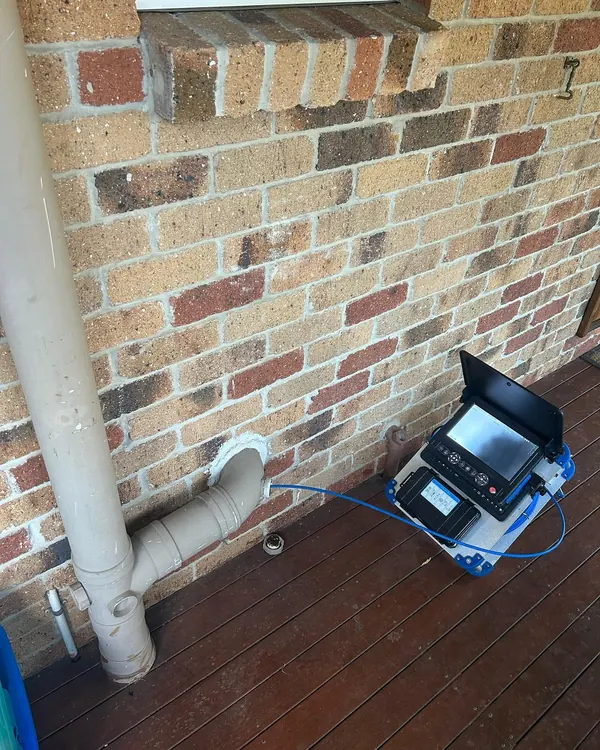
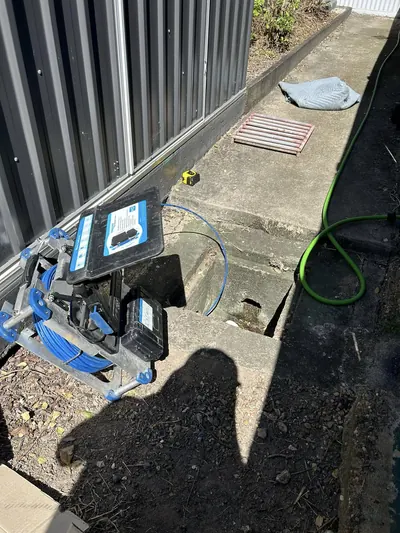
Drain camera reel and monitor set up on a driveway for an underground inspection

The Brigs relining promise

No trench. 20-year guarantee. Got a cheaper quote? We’ll beat it.

Relining is only worth paying for if it lasts and the price is fair. So both are in writing.

20-year installation guarantee

Every liner Brigs installs is guaranteed for 20 years against faults in the installation. It does not cover mechanical damage done to the pipe later, such as by excavation or drilling, and it sits on top of your rights under the Australian Consumer Law.

Delta and Magma Flex liners

RSM liners from the Delta and Magma Flex ranges, saturated with resin on site and cured in place inside the old pipe.

Certified installer

Niles is certified to install relining systems through Delta, Trelleborg and Pipe-Aid Systems.

A cheaper written quote? We’ll beat it

Show us a written, itemised relining quote from another QBCC-licensed plumber before work starts. If it covers the same pipe, the same length and a comparable liner and guarantee, and is less than 30 days old, Brigs will beat the price.

Send us your quote

Relining is how a broken underground pipe gets repaired without digging it up. A resin-saturated liner is fed into the damaged section, inflated against the existing pipe wall and cured in place. What sets is effectively a new pipe inside the old one, jointless through the repaired length.

Jointless is the point. Roots get into drains through joints and cracks; a lining has neither along its run, so the failure that caused the problem cannot simply recur in the same spot.

Signs a pipe is a relining job, not a clearing job

A drain that blocks once is a blockage. A drain that blocks again within months, at the same point, is nearly always a damaged pipe — most often roots that have found a joint or a crack and come back every time they are cut out.

Other signs are a sewer smell in the yard with nothing visibly wrong, a wet or sunken patch over the line of the drain, a gully that overflows in heavy rain while the rest of the system copes, and a jetter that clears the line but brings back soil or pieces of pipe.

None of those prove the pipe needs lining. They are reasons to put a camera down it, which is how the decision is actually made. More on that on the CCTV drain inspection page.

Sewer and stormwater

Both can be relined. Sewer lines are the more common job, because a sewer blockage backs up into the house and gets noticed straight away. Stormwater lines fail just as often around here, usually from roots through old joints, but the first sign tends to be a downpipe overflowing or water pooling against the slab. See stormwater drainage for the stormwater side.

Older houses in the bayside and Redlands suburbs often still have earthenware (clay) pipe with a joint every metre or so. That is exactly the pipe roots get into, and it relines well while it still holds its shape.

What can be relined

Pipes from 50 mm up to 500 mm across — from a single waste line to a large stormwater main.

The job can be a short patch over one cracked or root-damaged joint, a junction where a branch line meets the main, or a full-length lining of a run of 20 metres or more, installed in one piece by inversion.

Houses, body corporate and strata properties, and commercial sites are all relined the same way: camera first, quote from the footage, then line it.

Detail

When relining is the right call

Root intrusion at joints

The most common reason drains in older bayside and Redlands suburbs block repeatedly. A liner seals the joints the roots were using.

Cracked or fractured pipe

Longitudinal cracks and fractures in earthenware or PVC, where the pipe still holds its shape but no longer holds water.

Pipes under driveways and slabs

Where excavating means breaking concrete, removing a deck, or taking out an established garden — the cases where relining usually costs less than digging, not more.

Junctions and bends

Junctions along the run are cut back open after lining, a damaged junction can be lined with its own T-shaped liner, and bends within the liner's capability are lined through.

Step by step

How a relining job runs

Clear the line

The pipe is cleaned back to its bore first — roots cut out, scale and debris removed with a jetter. A liner can only bond to a clean pipe wall.

Camera it

A CCTV camera goes down the cleaned line to show the damage, measure the length that needs lining and check the pipe still holds its shape.

Quote it

You see the footage and get a price for that length before anything else happens. If digging is the better answer for your pipe, you are told that instead.

Line it

The liner is cut to length, saturated with resin, fed into the pipe through an existing opening and inflated against the old pipe wall.

Cure and reopen

Once the resin has cured, the ends are trimmed and any junctions along the run are reopened so the branch lines drain into it again.

Camera it again

A second camera run shows the finished lining from end to end, so you can see the repair rather than take it on trust.

Real jobs

Before and after, on camera

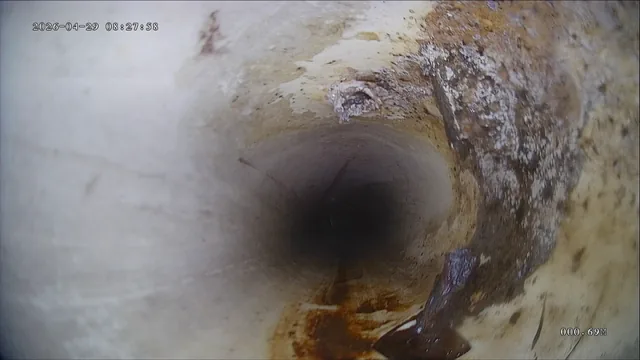
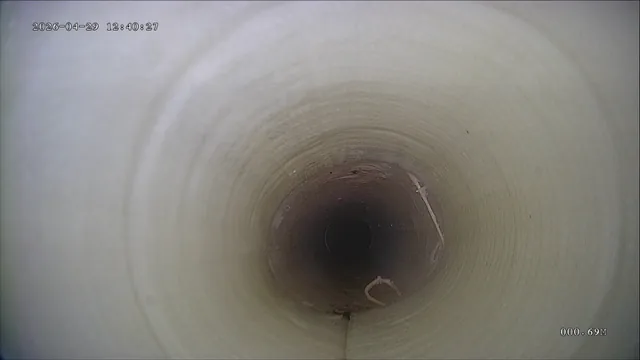
Two frames from the drain camera on one Brigs relining job. The times are the camera's own overlay.

Drain camera view of a cracked, corroded pipe wall before relining
Before — 8:27 am, 29 April 2026. Cracked, corroded pipe wall.
Drain camera view of the same line after relining, smooth and jointless
After — 12:40 pm the same day. The relined pipe: smooth, with no joints for roots to find.

On a relining job

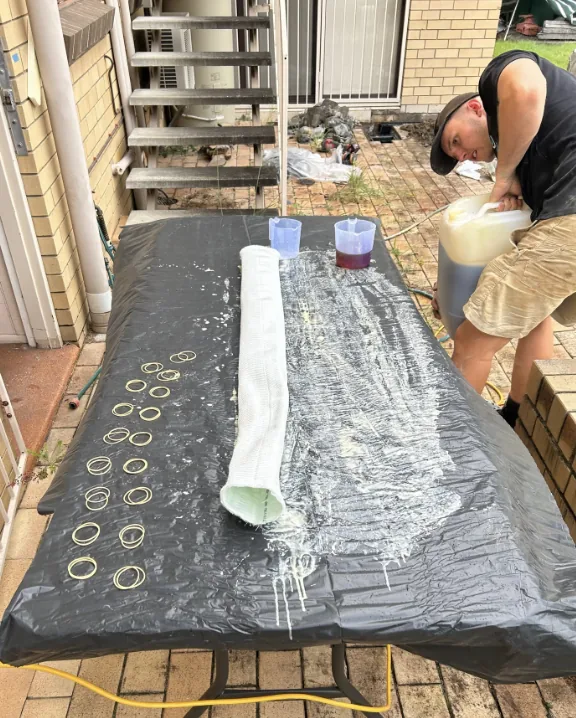
Relining liner being saturated with resin on a protected work table before installation
The liner is saturated with resin on site.
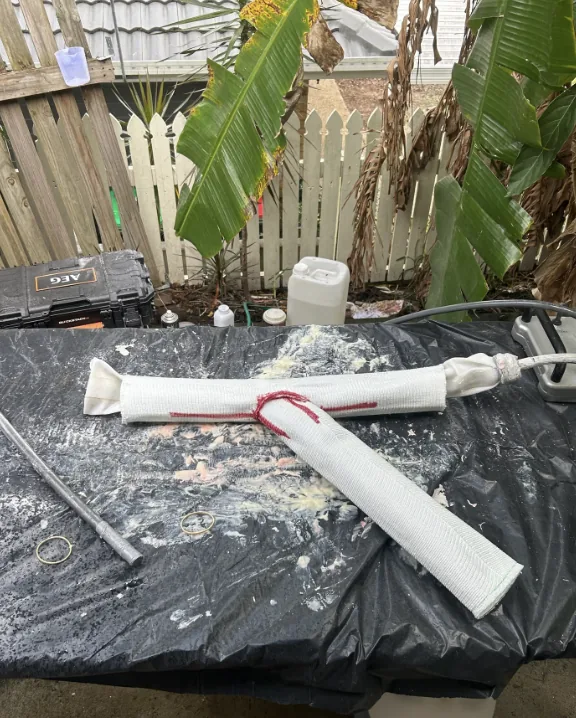
T-shaped junction liner prepared on site for relining a branch connection
A T-shaped liner for a junction.
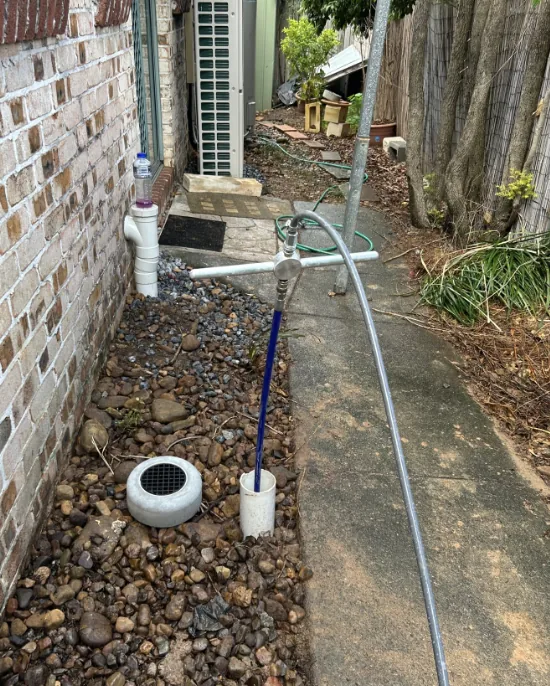
Liner installation set up at a downpipe riser beside a house, with no trench dug
Installed through an existing opening — no trench.
Drain camera view of a branch junction cut back open after the main line was relined
A branch junction cut back open after lining.
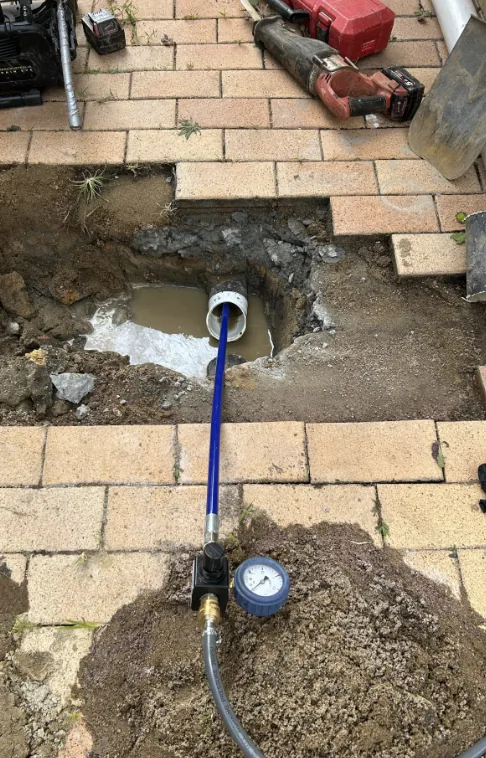
Pressure gauge connected to a drain line to test the repair
Pressure testing the line.
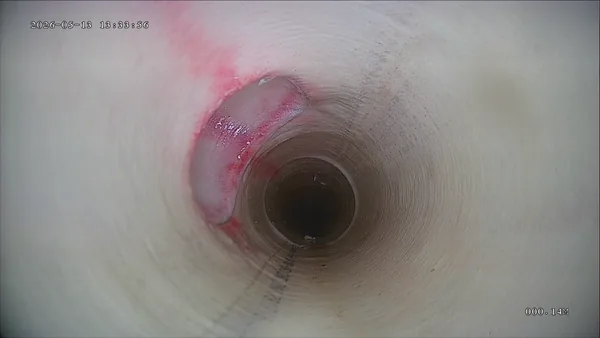
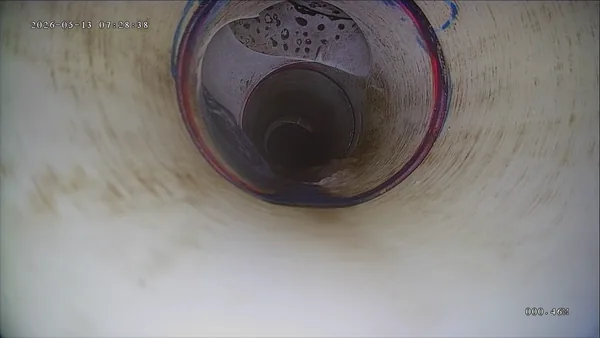
Drain camera view of the end of a new liner where it meets the existing pipe
The finished liner end, checked on camera.

The choice

Relining or digging it up

Neither is always cheaper. The answer depends on what sits on top of the pipe.

Relining usually wins when

  • The pipe runs under a driveway, slab, path, deck or extension.
  • There is an established garden, a retaining wall or a pool in the way.
  • The line is long, deep, or crosses a boundary.
  • Roots are the problem and the pipe still holds its shape.

Digging usually wins when

  • The section has collapsed and there is nothing left to line against.
  • The run is short and shallow under open lawn.
  • The pipe has sagged into a belly that holds water — a liner follows the old pipe, sag and all.
  • The pipe is being re-routed or upsized anyway.

When it is not

  • A fully collapsed pipe — there is nothing left to line against, so that section has to be excavated and replaced.
  • A pipe that has lost too much of its diameter already, where a liner would restrict flow past the point of usefulness.
  • A drain that blocks because of what goes down it rather than because of any fault in the pipe. Lining a sound pipe fixes nothing.
  • Short, shallow, easily reached runs where digging is genuinely quicker and cheaper. If that is your situation you will be told.

Completed work

From the jobs: drains Niles has opened up

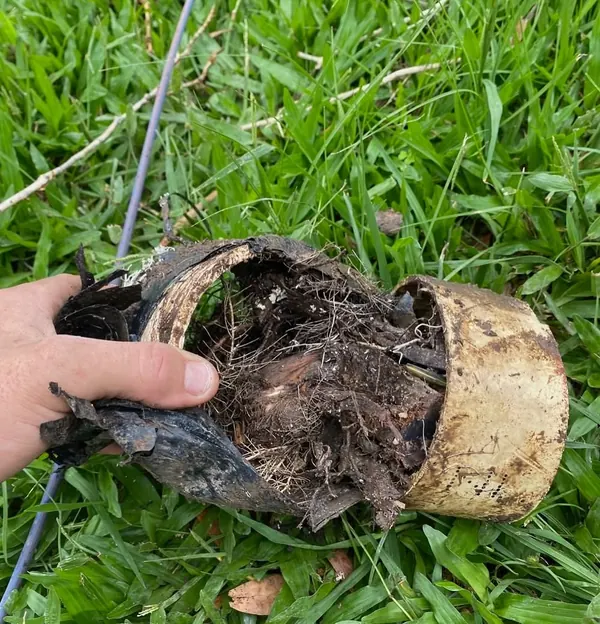
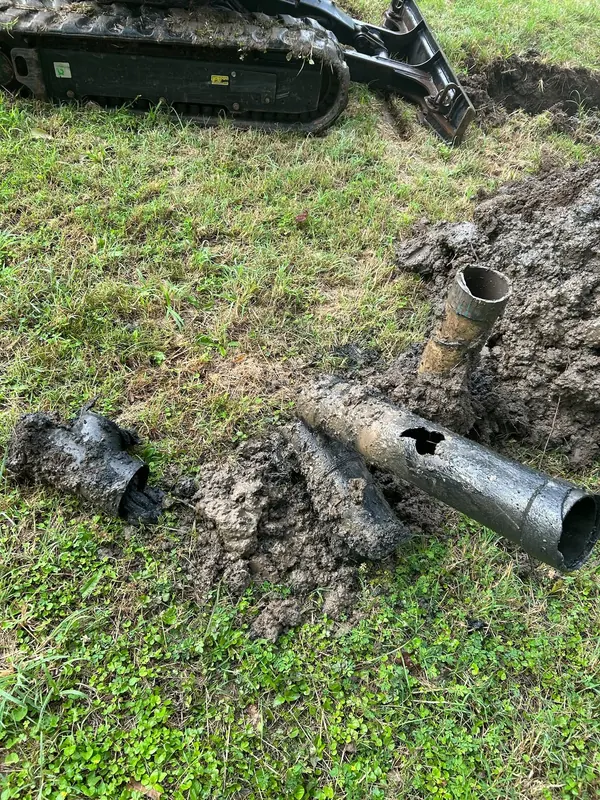
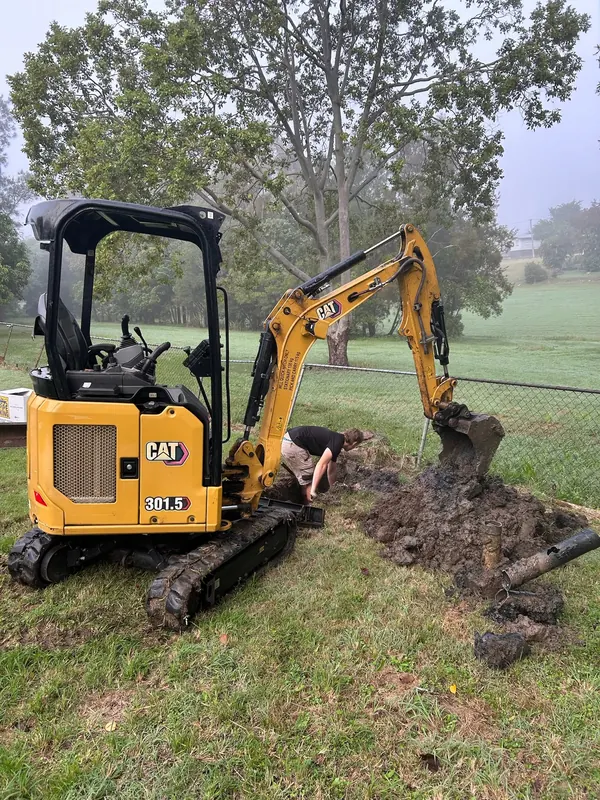
Real photos from Brigs Plumbing jobs — the roots and broken pipe that relining exists to deal with, and the excavation it avoids.

A section of drain pipe cut out, packed solid with tree roots
Sections of old, root-damaged pipe removed from the ground
CCTV drain camera and monitor set up beside a downpipe to inspect an underground line
Excavator opening a trench across a lawn to reach a failed drain

See more completed work

Related

Drains and relining

What relining costs

What drives the price of a relining job, and why it is quoted from camera footage rather than over the phone.

What relining costs

CCTV drain inspection

Find out what is actually wrong with the pipe before anyone talks about fixing it.

CCTV drain inspection

Blocked drains

Jetting and drain machines for the blockage itself, and the camera to find its cause.

Blocked drains

Cost guides

Drain costs and causes

Tree roots in your drain

The signs of root intrusion, how it is found with a camera, and the repair options.

Tree roots in your drain

Blocked drain plumber cost

What changes the price of clearing a blocked drain, and when a camera inspection is needed.

Blocked drain plumber cost

Questions

Asked often

Most residential jobs are a day. The pipe has to be cleared and camera-inspected first, the liner cut to length and wet out, then installed and left to cure. Longer runs or multiple sections can take longer.

Cured-in-place liners are generally rated for a design life of around 50 years. That is the material's rating rather than a promise about your particular drain, which depends on what the rest of the line is doing.

Yes. Brigs guarantees the installation of every liner for 20 years. The guarantee does not cover mechanical damage done to the pipe after the job, such as by excavation or drilling, and it is in addition to your rights under the Australian Consumer Law.

Yes, if it is a written, itemised quote from a QBCC-licensed plumber for the same pipe and length, with a comparable liner and guarantee, dated within the last 30 days. Show it before work starts and Brigs will beat the price.

It depends entirely on what is above the pipe. Under a driveway, a slab or an established garden it usually is, because the excavation cost includes putting all of that back. In an open, shallow yard, digging can be the cheaper answer.

Yes. The same approach applies to stormwater lines, which in this area are just as likely to have roots through the joints.

A camera inspection first, every time. You see the footage before you are asked to spend anything on a repair.

Slightly. The liner adds a few millimetres of wall inside the old pipe. Because the lined pipe is smooth and has no joints for roots and debris to catch on, it usually drains as well as the original did, or better.

Not on the line being lined while the work is underway and the resin cures. You will be told which fixtures to leave alone and for roughly how long before the job starts.

If the camera shows roots or cracks at the joints are the cause, lining that section usually ends the cycle, because the joints the roots were using are gone. If the blockages come from what is going down the drain, lining will not help and you will be told so.

Tell us what it is doing

Describe the problem on the phone. If it can be sorted without a visit, it will be.

At a glance

Brigs Plumbing, a QBCC-licensed Thorneside plumber, relines damaged pipes for homes across Brisbane and the Redlands. Relining repairs the pipe from the inside, usually without digging up the yard, driveway or garden. A CCTV camera inspection comes first, and the quote follows from the footage.

  • Phone: 0435 040 590
Call now Get a quote